
Insights
EMEA Retail — Insights & Strategien
Expertenperspektiven auf Consumer Electronics Retail, europäischen Markteintritt und Wachstumsstrategie.
129 Verkäufer:innen in Dublin, 439 im UK, 275 in Frankreich: Was gamifiziertes Verkaufstraining verändert
nonplusultra hat 2026 im Juli und August gamifizierte Verkaufstrainings für 843 Verkäufer:innen bei drei Händlern in drei Ländern durchgeführt: 439 bei Currys im Vereinigten Königreich, 275 bei Fnac Darty in Frankreich und 129 bei Harvey Norman in Irland, wobei die Fnac-Darty-Session von den Teilnehmenden mit 9,75 von 10 bewertet wurde. Ein paralleles Trainingsprogramm, das wir für Qualcomms Snapdragon-Retail-Schulungsinitiative in EMEA betreiben, liegt in diesem Jahr 30 bis 34 % über dem Zielwert, der Großteil davon in Präsenz. Für eine Consumer-Electronics-Marke, deren Verkauf am POS von den Verkäufer:innen abhängt, ist nicht die Zahl der Folien entscheidend, sondern der Mechanismus hinter diesen Zahlen.

Normalerweise bringen wir globale Marken nach Europa. Mit FRITZ! gehen wir den umgekehrten Weg.
Der europäische Markt für technische Konsumgüter erreichte im Geschäftsjahr 2025 857 Milliarden Euro und wuchs wertmäßig um 5 % (NielsenIQ). Die meisten Marken, die nonplusultra in diesen Markt bringt, sind globale Player, die von außen nach Europa kommen. FRITZ! – die führende deutsche Heimnetzwerk-Marke von AVM – ist der seltenere Fall: ein europäischer Champion, der über den eigenen Kontinent hinaus wächst, während nonplusultra Markt für Markt den Zugang zu Handel und Distribution öffnet. Innerhalb Europas zu wachsen ist oft schwerer, als von außen einzutreten – denn Europa ist kein Markt, sondern ein Dutzend Handelssysteme, die sich zufällig eine Landkarte teilen.
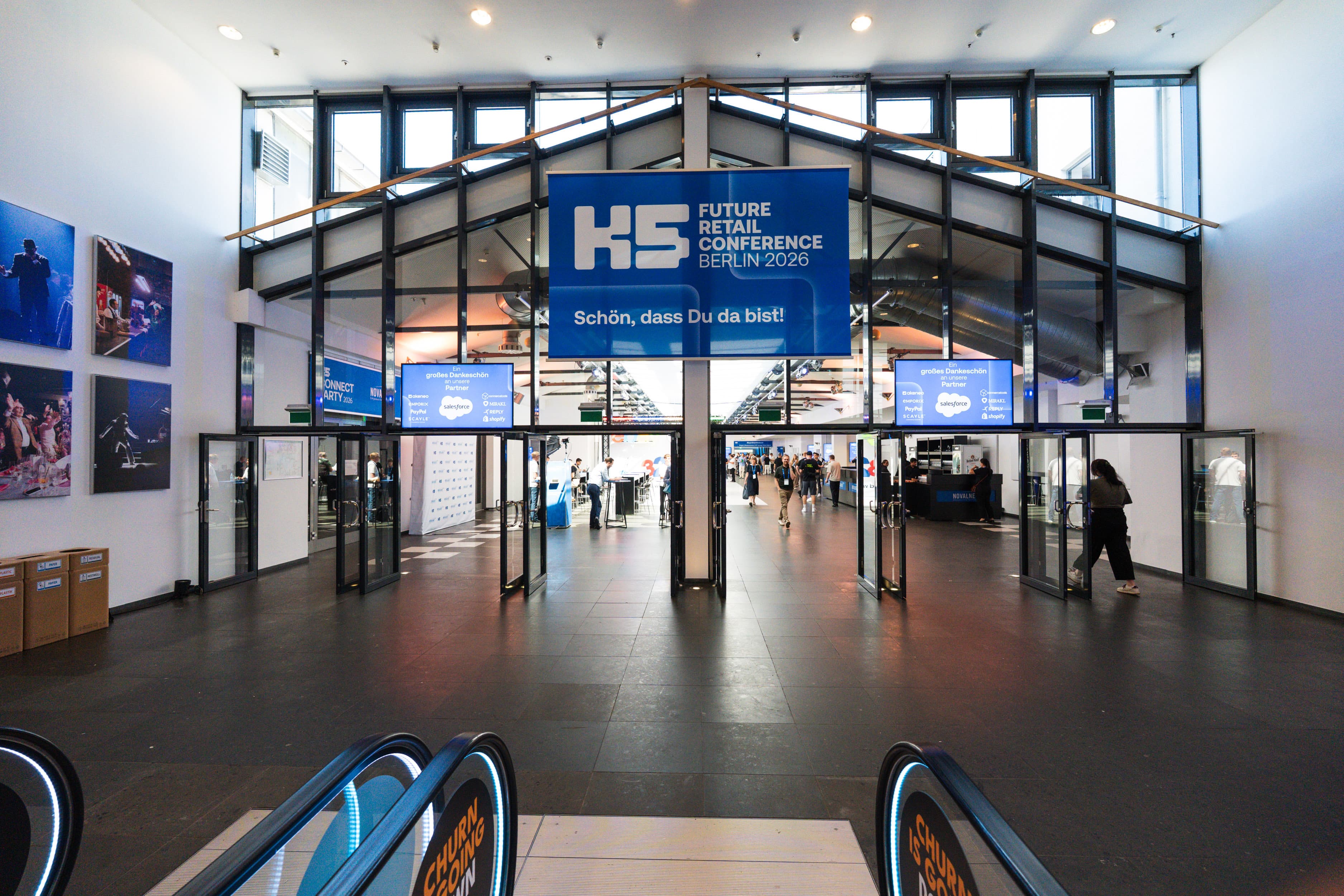
K5 2026: KI ist kein Feature mehr, sondern das Betriebssystem des europäischen E-Commerce
Auf der K5 Future Retail 2026 in Berlin (23. und 24. Juni) trafen über 5.000 Entscheider, mehr als 200 Aussteller und über 250 Speaker auf sechs Themen: KI und Automatisierung, Social und Live Commerce, China und Asien, Retail Media, Logistik und Wachstum. Unter allen lag dasselbe: KI. Jan Niclas Brandt von CECONOMY erklärte der Halle, Kundenzentrierung allein reiche nicht mehr, während Erik Siekmann von TL;DR die Suche selbst als dialogisch und agentisch beschrieb. Für Tech-Marken, die in EMEA expandieren, heißt das: KI ist vom Feature zur Betriebsebene des E-Commerce geworden. NielsenIQ misst KI bereits bei 10 % der europäischen Produktsuche-Touchpoints, mit Kurs auf 22 % bis Ende 2026.
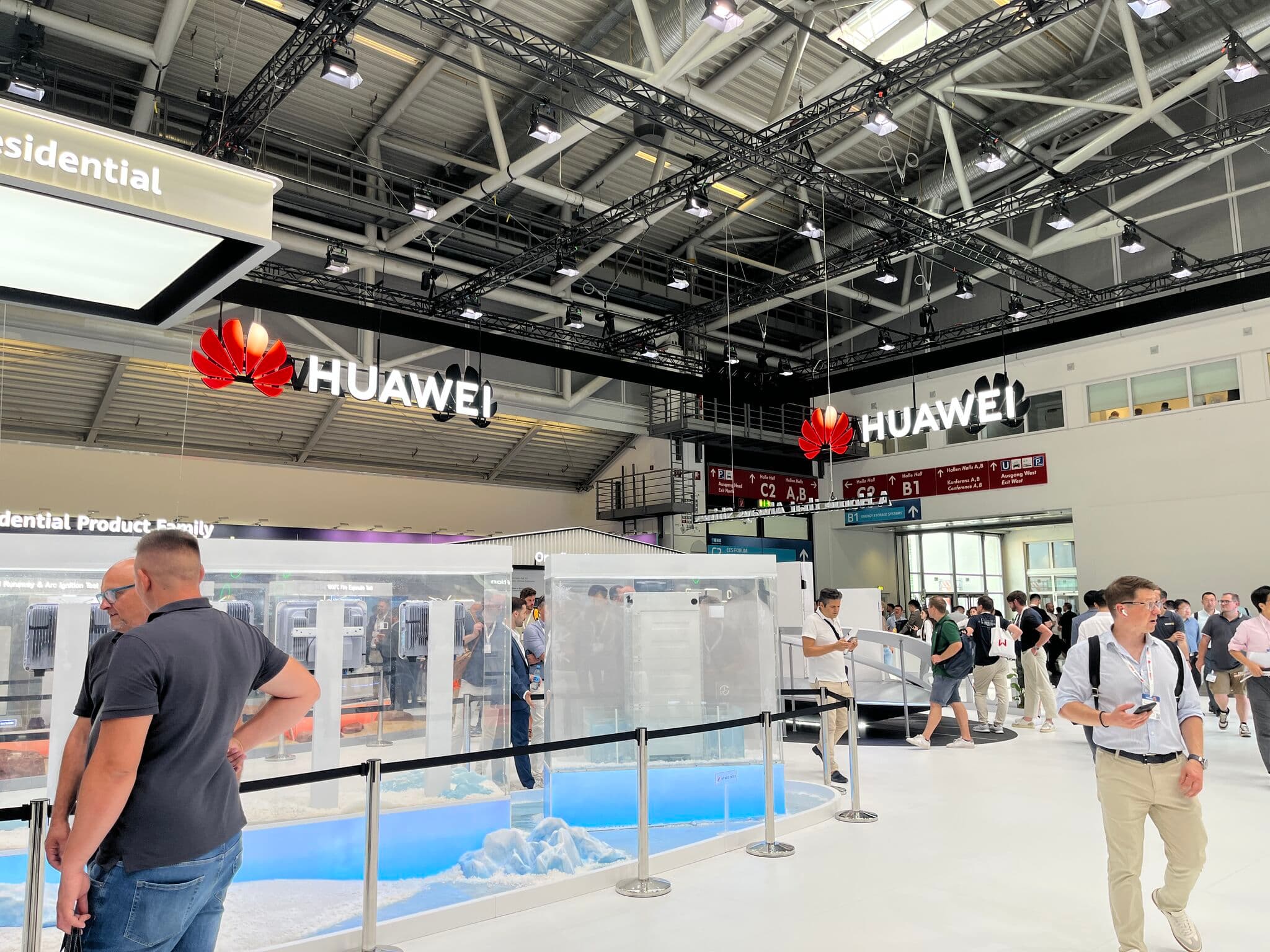
Retail-Exekution ist kategorieunabhängig. Wir haben es auf der Intersolar Europe 2026 mit Huawei FusionSolar bewiesen.
Auf der Intersolar Europe 2026 in München (23. bis 25. Juni) stand das Field-Team von nonplusultra mit Huawei FusionSolar auf dem Floor, der weltweit führenden Solarmesse und Teil von The smarter E Europe, die zusammen über 107.000 Besucher aus 157 Ländern zu rund 2.800 Ausstellern auf die Messe München brachte. Huawei kam mit einer klaren These auf den eigenen Stand: "Business Success across the Full Journey", getragen von einer Installateurs-Strategie, die Marketing, Vertrieb, Planung, Installation und Service einfach macht. Eine Full-Journey-Strategie ist nur so stark wie ihr schwächster persönlicher Touchpoint, und genau dort lebt Field-Exekution. Deshalb gehört ein Retail-Growth-Partner auf eine B2B-Energiemesse.
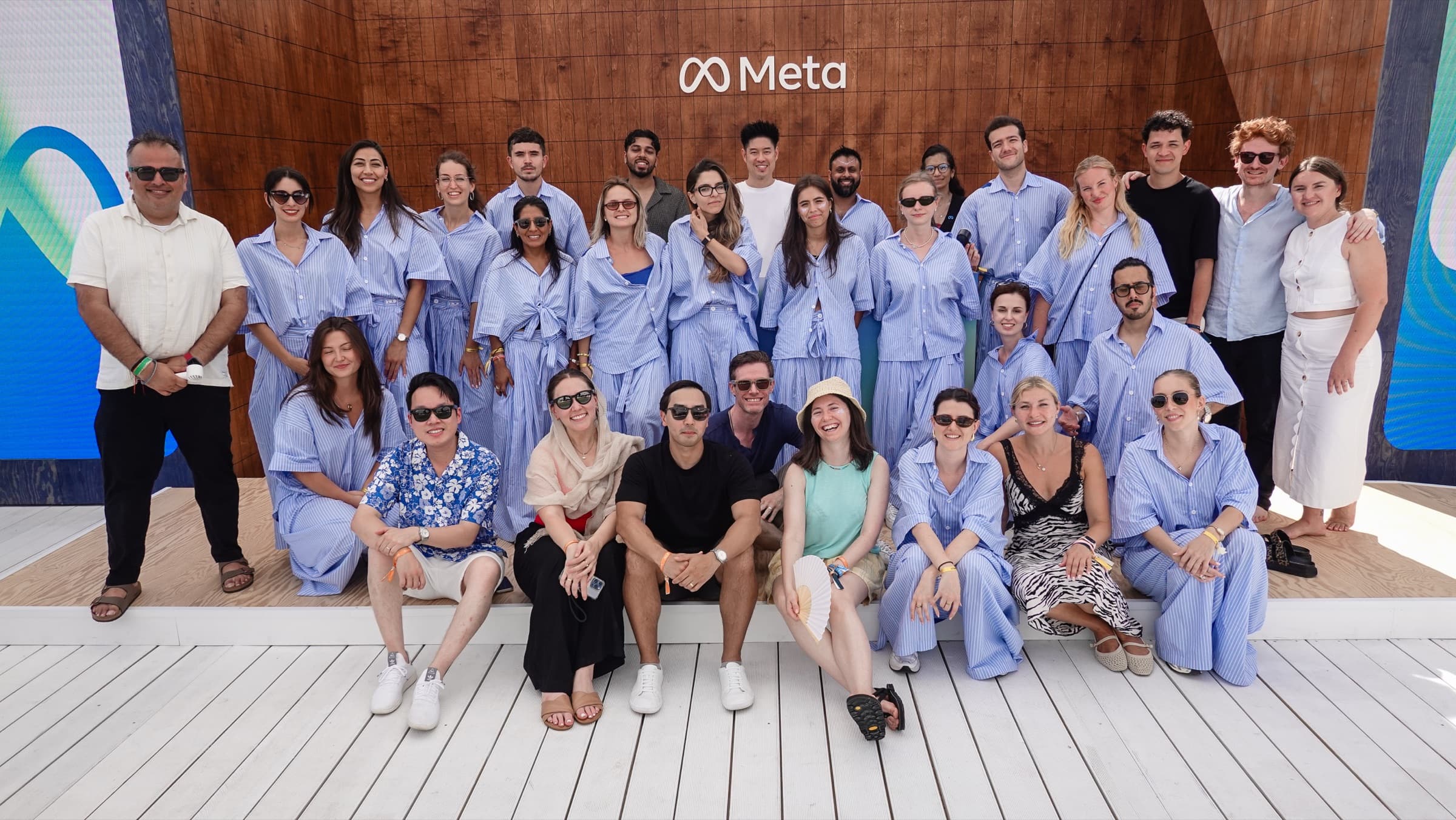
Meta stellte während der Cannes Lions 2026 neue Smart Glasses vor. Unser Team lieferte das Erlebnis.
Zum dritten Mal in Folge betreute nonplusultra Meta Beach beim Cannes Lions International Festival of Creativity und empfing über 15.000 Besucher aus mehr als 90 Ländern bei Metas Flagship-Markenaktivierung. Am 23. Juni 2026 brachte Meta mitten im Festival seine neuen Meta-Glasses-Styles auf den Markt. Wenige Minuten später probierten Besucher sie direkt vor Ort aus, und die Starfire-Kylie-Edition mit Kylie Jenner war schnell ausverkauft. Die eigentliche Geschichte war größer als der Launch: Mehr als 25 Brand-Experience-Experten lieferten ein erstklassiges Besuchererlebnis über Meta Wearables, Meta AI und Meta Ads. Jahr drei mit demselben Kunden ist eine andere Qualität der Arbeit.
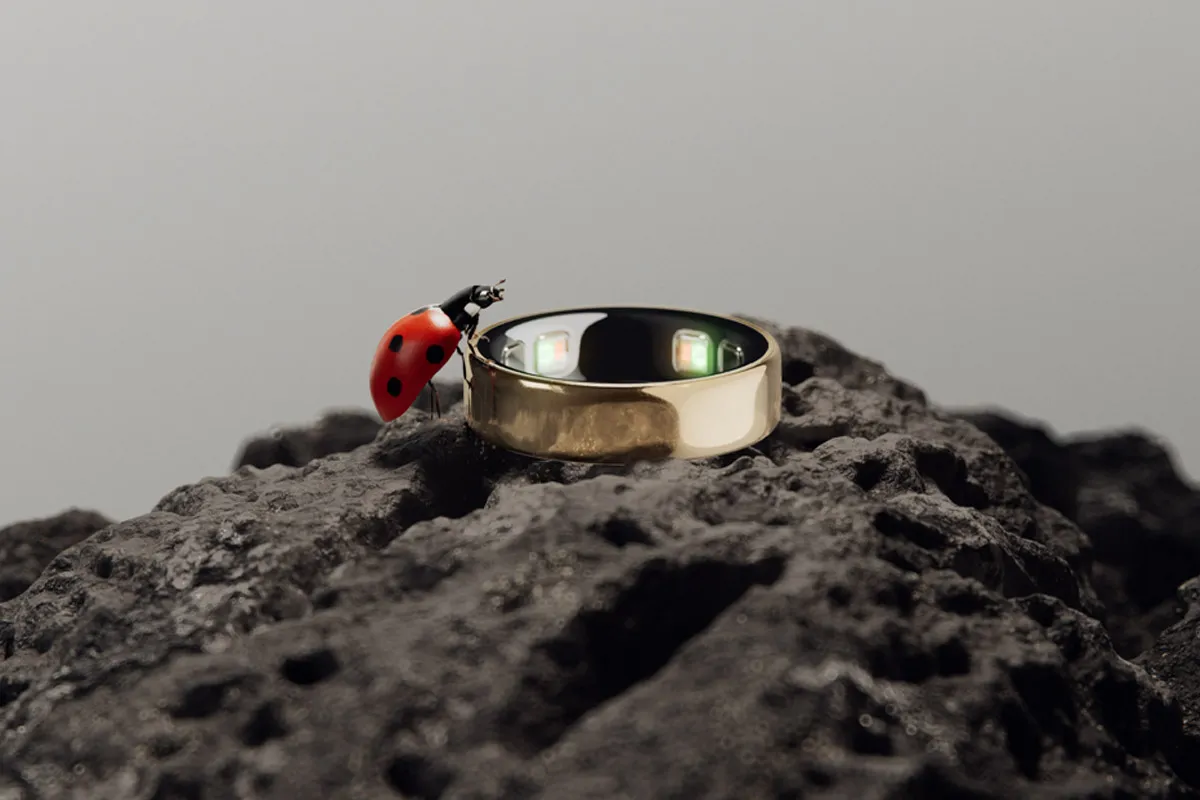
Oura Ring 5 ist jetzt in Deutschland, Österreich, der Schweiz und Frankreich erhältlich - und man kann ihn direkt im Laden ausprobieren
Oura Ring 5 ist bei MediaMarkt/Saturn, Fnac und Digitec gelistet. Was den Launch besonders macht: Displays, an denen Kunden Größe und Farbe direkt am Finger testen können - kein Test-Kit nach Hause, kein Rätselraten. nonplusultra managed den Oura-Retail in DACH und Frankreich.
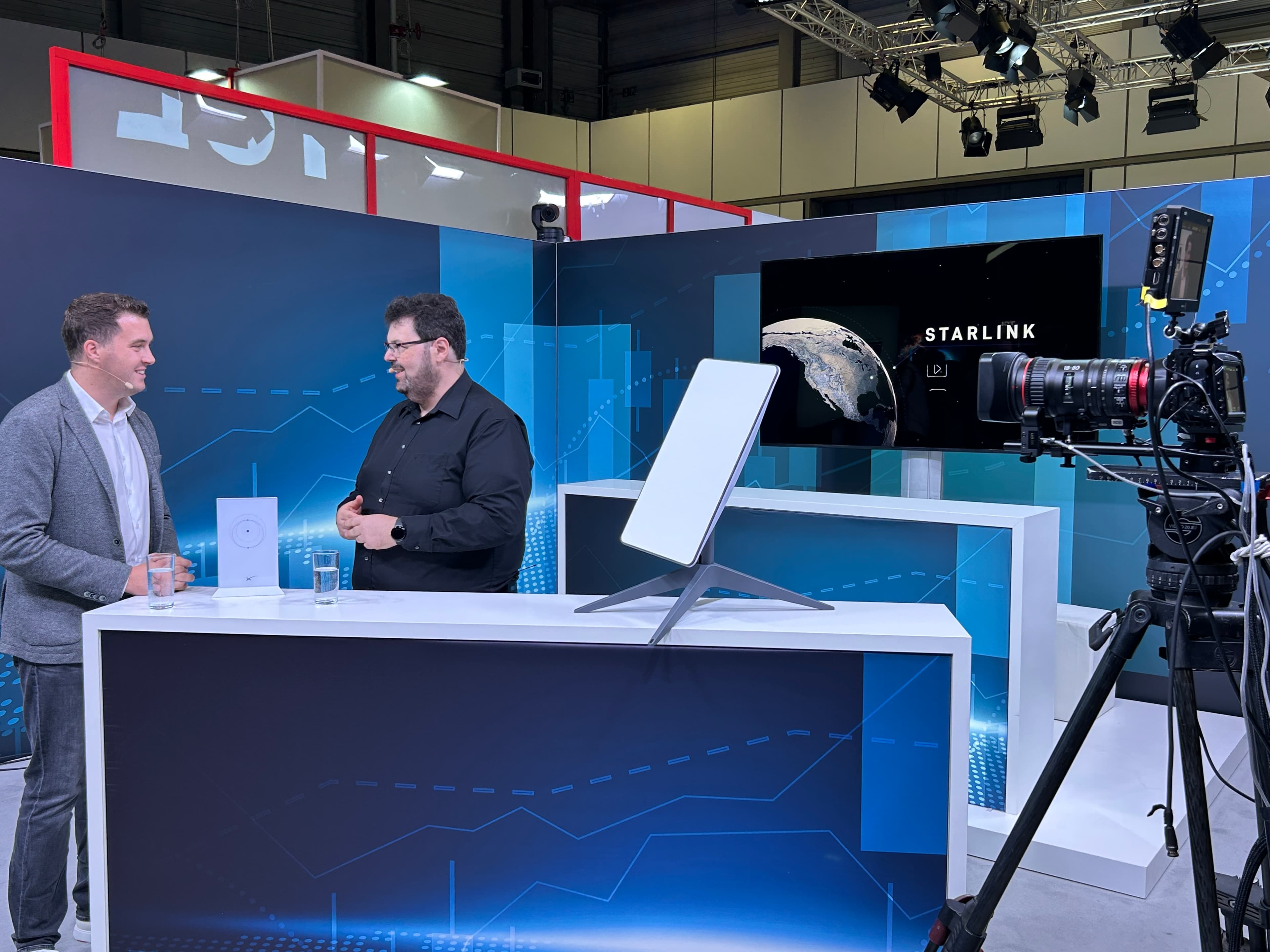
Starlinks IPO: Die europäische Retail-Grundlage, die wir gemeinsam gelegt haben
SpaceX's Starlink bewegt sich auf ein Börsendebüt zu, das sein europäisches Geschäft unter die Lupe nehmen wird. Hier ist, worauf dieses Geschäft aufgebaut wurde: ein Einzelhandels-Launch in vier Monaten bei 25 großen europäischen Händlern in Deutschland, Großbritannien, Frankreich, der Schweiz, den Benelux-Ländern und Skandinavien - MediaMarktSaturn, Currys, Fnac, Coolblue, Digitec, Elkjop - für den ein internes Team 12 bis 18 Monate gebraucht hätte. Ein Erfahrungsbericht des CEO, der ihn verantwortet hat.
Die €150-Zollfreigrenze endet am 1. Juli 2026 — Was EMEA-Tech-Marken jetzt wissen müssen
Am 1. Juli 2026 schafft die EU die €150-De-minimis-Zollfreigrenze ab, die es 5,8 Milliarden Niedrigpreispaketen — 95% aus China — ermöglicht hat, jährlich zollfrei nach Europa einzureisen. Für Consumer-Electronics-Marken, die in eine konforme EMEA-Retail-Infrastruktur investiert haben, ist das der strukturelle Wandel, auf den sie gewartet haben. Für jene, die gegen nicht-konforme Plattformpreise konkurrieren, ändern sich die Rahmenbedingungen am 1. Juli.
RaaS vs. In-House: Wann Sie Ihr europäisches Retail-Geschäft auslagern sollten
Ein eigenes EMEA-Retail-Team aufzubauen, ist eine weitreichende Entscheidung: Personal über mehrere Märkte hinweg, Distributorenverträge, Beziehungen zu Händlern, eine Außendienst-Infrastruktur und das institutionelle Wissen, um all das wirksam zu steuern. Retail-as-a-Service bietet ein anderes Modell – und für die meisten Marken, die in den europäischen Handel eintreten oder dort skalieren, ist es der schnellere und risikoärmere Weg. Hier lesen Sie, wann RaaS sinnvoll ist und wann nicht.
Eine Tech-Marke in Deutschland einführen: Das Playbook für MediaMarkt & Saturn
Deutschland ist der größte Markt für Unterhaltungselektronik in Europa und strukturell der wichtigste für jede Marke, die es mit dem EMEA-Retail ernst meint. MediaMarkt und Saturn – beide gehören zu MediaMarktSaturn – kontrollieren einen dominanten Anteil des stationären Handels. Wer den deutschen Markteintritt richtig aufsetzt, schafft die Basis für alles Weitere in EMEA. Wer ihn falsch aufsetzt, zahlt teuer und braucht lange, um sich zu erholen. Hier ist, was wir aus mehreren erfolgreichen Markteintritten in Deutschland gelernt haben.
Die Kreislaufwirtschaft ist jetzt eine Frage des Regalzugangs für Tech-Marken in EMEA
Elgiganten strebt bis 2027–28 einen kreislaufwirtschaftlichen Umsatzanteil von 5% an. Elkjøp repariert jährlich 500.000 Geräte. Europäische Händler bauen nicht nur Kreislaufinfrastruktur auf — sie beginnen, diese als Listungskriterium einzusetzen. Für Tech-Marken, die 2026–27 EMEA-Retailzugang planen, ist das Fehlen eines Kreislaufprogramms keine Nachhaltigkeitslücke mehr. Es ist ein kommerzielles Risiko.
Der nordische Markt: Europas anspruchsvollster — und lohnendster — für Consumer-Electronics-Marken
Der nordische Markt bietet einige der höchsten Pro-Kopf-Ausgaben für Consumer Electronics in Europa — doch die Eintrittskosten sind erheblich, die Preistransparenz ist absolut, und die Retailer-Konzentration bedeutet in manchen Märkten, dass eine einzige Käuferbeziehung über Erfolg oder Misserfolg in der Region entscheiden kann. Was es wirklich braucht, um dort eine Position zu gewinnen.
EMEA Retail Trends 2026: Die fünf Kräfte, die Consumer Electronics in Europa neu gestalten
Der europäische Consumer-Electronics-Markt wuchs im GJ2025 wertmäßig um 5%, volumenmäßig jedoch nur um 1%, laut NielsenIQ-Marktdaten. Diese Lücke ist keine Erholung — es ist ein strukturelles Aussortieren. Speicherkomponentenpreise stiegen im Februar 2026 um 75% im Jahresvergleich, KI macht bereits 10% der Produktsuch-Touchpoints aus, und ein Versorgungsschock in der Straße von Hormuz ist die größte Störung einer Generation. Die Marken, die EMEA-Retail 2026–27 gewinnen werden, sind nicht jene, die auf jede Schlagzeile reagieren. Es sind jene, die strukturelle Präsenz aufgebaut haben, als die Kosten am höchsten waren.
Der stationäre Handel gewinnt in Europa — und KI macht ihn wertvoller, nicht überflüssig
Laut NielsenIQ-Marktdaten erwirtschaftet der stationäre Handel in Europa noch immer zwei Drittel aller TCG-Umsätze, während KI die Art verändert, wie Konsumenten Produkte recherchieren und in die engere Wahl ziehen. Marken, die ihr EMEA-Investment in den physischen Handel zurückfahren, machen einen strategischen Fehler. Wer auf dem Shop-Floor gewinnt, kombiniert KI-gestützte Touchpoints mit geschulten Teams — denn KI erstellt die Shortlist, aber Menschen schließen den Kauf ab.
KI verändert bereits, wie europäische Verbraucher Tech-Produkte finden — was Marken jetzt tun müssen
KI ist laut NielsenIQ-Marktdaten bereits für 12 % der Produktsuchen von Verbrauchern in Europa verantwortlich und soll bis Ende 2026 auf 22 % steigen. Für Consumer-Electronics-Marken gilt: Produktdaten, die nicht für den LLM-Abruf strukturiert sind, sind für einen wachsenden und sich schnell vergrößernden Käuferanteil bereits unsichtbar. Marken, die sich jetzt anpassen — Kataloge neu strukturieren, in Marketplace-Präsenz investieren und KI-lesbare Produktkontexte aufbauen — werden innerhalb von 18 Monaten einen messbaren Entdeckungsvorteil halten.
Europäische Verbraucher sind preissensibel — aber Preis ist nicht, was sie wirklich kaufen
63 % der europäischen TCG-Käufer sind laut NielsenIQ Consumer Life Study stark preissensibel. Dennoch rangiert „günstig" bei denselben Verbrauchern nur auf Platz 8 der Markenwerte. Die Lücke zwischen diesen beiden Fakten entscheidet darüber, ob EMEA-Retailstrategien Marge erzielen oder sie verspielen.
Die Plattformökonomie rettet euch nicht — so gewinnen Consumer-Electronics-Brands wirklich in EMEA
90–95 % des gesamten E-Commerce-Wachstums fließt in Plattformen, nicht in markeneigene Shops. Aber die Brands, die in EMEA wirklich durchbrechen, ergeben sich weder Amazon noch setzen sie alles auf D2C — sie bauen selektive, aktiv gestützte Positionen im stationären Handel und auf den richtigen Marktplätzen gleichzeitig auf. Hier sind die strukturellen Daten, und was sie für eure EMEA-Strategie bedeuten.
Was macht ein Markenerlebnis wirklich unvergesslich?
Unvergessliche Markenerlebnisse entstehen durch Bedeutung und Teilhabe, nicht durch Größe oder Spektakel: eine Unterscheidung, die bei den Cannes Lions 2025 mit aller Deutlichkeit hervortrat. Co-Creation ist vom Schlagwort zur Grunderwartung geworden, und die Marken, die das Gespräch prägten, taten dies durch ehrliches Storytelling und echte Haltung, nicht durch die größten Budgets. Für Consumer-Electronics-Marken in EMEA überträgt sich dieser Wandel unmittelbar darauf, wie Retail-Aktivierungen, Experience Zones und Markenbotschafter-Programme gestaltet werden müssen.
Elkjøp Campus: Wo Marken auf den Handel treffen – Einblicke vom größten Tech-Händler Nordeuropas
Elkjøp Campus ist das wichtigste jährliche Handelsevent Nordeuropas für Marken der Consumer Electronics: Über 100 CE-Marken konkurrieren um die Aufmerksamkeit der Mitarbeitenden aus mehr als 400 Filialen in Norwegen, Schweden, Dänemark und Finnland. Marken, die ernsthaft investieren – einige deutlich über 100.000 € für einen einzigen Auftritt –, gehen mit messbar besserem Produktverständnis, mehr Sicherheit am Regal und stärkerem Sell-through-Momentum nach Hause als jene, die das Event als reine Pflichtübung abhaken. nonplusultra hat in diesem Jahr mehrere Marken auf dem Campus begleitet. Hier lesen Sie, warum sich die Investition lohnt.
MediaMarktSaturn BetterWay: Ihr Playbook für nachhaltigen Retail-Erfolg
Das BetterWay-Programm von MediaMarktSaturn – aufgebaut auf Typ-1-Umweltzeichen, Energiekriterien des TÜV Rheinland und Reparierbarkeits-Scores – ist mittlerweile eine faktische Listungsvoraussetzung in Europas größter Handelsgruppe für Consumer Electronics. Marken ohne qualifizierende Produkte oder ohne die passende Nachhaltigkeitsdokumentation werden aus der Premium-Platzierung herausgefiltert, bevor überhaupt ein kommerzielles Gespräch beginnt. Dieser Beitrag zeigt die drei BetterWay-Kriterien, den Qualifizierungsprozess auf SKU-Ebene und die Retail-Umsetzung, die aus einer Zertifizierung Regalleistung macht.
Vom Datenchaos zur Klarheit: Wie Retail Analytics die Consumer Electronics in Europa antreibt
Rund 30 % der Retail-Reports im europäischen Consumer-Electronics-Handel treffen noch immer manuell ein: in uneinheitlichen Formaten, mit abweichenden Artikelnummern und Filialbezeichnungen. Eine einheitliche Sicht auf die Performance ist ohne eine eigens entwickelte Harmonisierungsschicht damit unmöglich. Das Holistic Retail Analytics System von nonplusultra führt Sell-in-, Sell-out-, Außendienst- und Kampagnendaten von über 100 Händlern und Distributoren in einer einzigen Echtzeitansicht zusammen. Für CE-Marken, die ihre EMEA-Expansion im Handel steuern, sind fragmentierte Daten kein bloßes Reporting-Ärgernis: Sie bremsen unmittelbar die Performance am Regal und die Geschwindigkeit jeder Entscheidung.
Retail-Wachstum 2025: Fünf Trends, die Marken für Unterhaltungselektronik im Blick behalten müssen
Fünf strukturelle Verschiebungen – die Verzahnung der Kanäle, der stationäre Handel als Markenwert, Handelsdaten als Selbstverständlichkeit, Nachhaltigkeit als Listungskriterium und Retail-as-a-Service – trennen inzwischen die Marken für Unterhaltungselektronik, die sich in EMEA Regalfläche sichern, von jenen, die sie verlieren. Marken, die auch nur einen dieser Punkte für optional halten, hinken den Einkäufern bei MediaMarktSaturn, Currys und Fnac bereits hinterher, die längst weiter sind. Dieser Beitrag ist das Briefing für Marken, die jetzt handeln wollen.
Marketing-Chancen im EMEA-Handel: Die wirksamsten Strategien für CE-Marken
Consumer-Electronics-Marken, die im EMEA-Handel überdurchschnittlich abschneiden, verbinden Omnichannel-Marketing, hyperlokale Umsetzung und eine Dateninfrastruktur für den Abverkauf – statt sich allein auf Regalpräsenz zu verlassen. Marken mit fragmentierten Kampagnen in Deutschland, Frankreich und Großbritannien verlieren konsequent gegenüber jenen, die Social, In-Store-Aktivierung und Joint Business Planning in eine einzige koordinierte Strategie integrieren.
Das digitale Wachstums-Playbook bricht: Wie Marken den Einzelhandel neu schreiben
Die Kosten der Kundengewinnung sind um 60 % gestiegen und der digitale ROI schrumpft – doch die Antwort liegt nicht im Rückzug aus dem Einzelhandel. Die Marken, die im EMEA-Geschäft mit Unterhaltungselektronik an Boden gewinnen, nutzen den stationären Handel als Plattform zum Markenaufbau, nicht als Vertriebsnotlösung. Regalplatzierung bei MediaMarktSaturn, Currys und Fnac ist heute ein integriertes Wachstumsinstrument, kein beliebiger Kostenpunkt.
Verbrauchererwartungen im Elektronikmarkt erfüllen: Verlässlichkeit, Transparenz, Wert
Verlässlichkeit, Transparenz und nachweisbarer Wert sind die drei Eigenschaften, die europäische Verbraucher bei der Wahl einer Consumer-Electronics-Marke durchgängig am höchsten bewerten – und in Märkten wie Deutschland und den nordischen Ländern führt ein Versagen bei nur einer von ihnen schnell zur Auslistung. Marken, die sich in EMEA dauerhaft Regalfläche sichern, behandeln diese Eigenschaften nicht als Marketingbotschaften. Sie verankern sie an jedem operativen Kontaktpunkt: von der Konsistenz der Produktdaten bis zur After-Sales-Infrastruktur.
GITEX Dubai: Die wichtigsten Erkenntnisse für CE-Marken beim Markteintritt im Nahen Osten
Der Einzelhandel in den VAE belohnt Exklusivität vor breiter Distribution: Sowohl Sharaf DG als auch Dubai Duty Free bevorzugen Marken, die eine hochwertige, selektive Präsenz aufbauen, bevor sie weitere Kanäle erschließen. Florian Hutterer war zur GITEX 2024 in Dubai und führte dort Gespräche mit Händlern und Distributoren im gesamten Markt. Das sollten Marken aus der Consumer Electronics vor dem Eintritt in die VAE wissen.
In der Presse
- nonplusultra vermarktet SpaceX Starlink über den EinzelhandelChannelPartner.de · Nov 2023
- SpaceX Starlink jetzt im RetailvertriebCRN.de · Nov 2023
- Vertrieb des Starlink-Dienstes startet in deutschen ElektronikmärktenElektromarkt.de · Dec 2023
- Most Influential CEO 2023 — Leading & Inspiring Brands to SuccessCEO Monthly · Aug 2023
- Erfolgsgeschichte nonplusultrascale-up.de · 2023
Media Kit
Für Logos, Markenrichtlinien, Executive-Fotos und Hintergrundinformationen — kontaktieren Sie uns direkt. Das vollständige Media Kit erhalten Sie innerhalb eines Werktages.
Media Kit anfragen →Bereit für EMEA-Wachstum?
Jeder erfolgreiche Launch beginnt mit
dem richtigen Gespräch.
Consumer Electronics Brands vertrauen nonplusultra beim Launch und Wachstum im europäischen Einzelhandel.